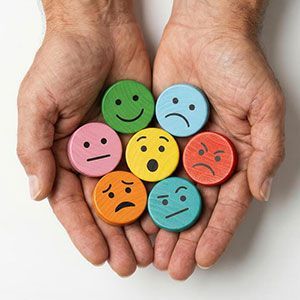


The Shift From Summer to Fall: Supporting Your Mind and Body Through Change

Emily MacIver • October 8, 2025

As the air cools and the leaves start to turn, there’s a familiar rhythm that arrives with fall. The pace of life picks up again— routines return, schedules fill, and the long summer days fade into earlier evenings. For some, this season feels cozy and grounding; for others, it can bring a dip in energy or mood that’s hard to name.

If you’ve noticed yourself feeling a little less motivated or more tired lately, you’re not alone. Seasonal transitions can affect us more than we realize — physically, emotionally, and mentally.

Why We Feel Different in the Fall

Our bodies are naturally responsive to light. With fewer daylight hours:

  • Our sleep cycles shift, making mornings feel groggier and evenings more sluggish.

  • Melatonin (the sleep hormone) increases earlier, leaving us tired sooner.

  • Serotonin , which supports mood, decreases with reduced sunlight exposure.

The Emotional Side of Seasonal Change

Change, even predictable change, can stir up emotion in quieter ways. The end of summer might bring a sense of loss — fewer spontaneous days, more structure, and the retune to busyness. For many, this change in rhythm brings reflection: Where am I at right now? How am I feeling about the pace of my life?

This doesn’t mean something’s “wrong” with you — it’s simply your system adjusting and processing change.

Ways to Support Yourself

Here are a few gentle ways to care for your body and mind as the seasons shift:

  • Seek out light. Step outside during daylight, open the blinds, or consider a light therapy lamp if mornings feel dark.

  • Keep a steady rhythm. Going to bed and waking up around the same time helps your body find balance.

  • Connect with others. Cooler weather can make us retreat — reach out for coffee, schedule a walk, or pick up the phone.

  • Do what fills you up. Plan activities that spark joy or calm, even simple ones like baking, reading, or going for a drive under the changing leaves.

  • Move your body. Gentle stretching, walking, or any form of movement can help lift energy and mood.

  • Reflect with kindness. If this season feels harder than expected, take a moment to name what shifting for you— in a journal, in therapy, or with someone you trust.

A Note From Oak and Sands

As the seasons change, your pace doesn’t have to stay the same. Rest is productive, too. Take time to slow down, reflect, and care for yourself through the transition.

If this season feels heavier or more emotional than expected, our team is here to support you in finding steadiness and self-compassion along the way.

Hands counting stacks of cash at a table in dim light
By Emily MacIver • March 19, 2026
Is couples counseling covered in Canada? Learn how therapy reimbursement works, what to check in your benefits plan, and options if you're not covered.

Family preparing food together in a bright kitchen around a counter with bowls, vegetables, and a cutting board
By Emily MacIver • March 16, 2026
Learn the benefits of family therapy, from stronger communication to healthier relationships and conflict resolution, and when it may help your family.

Therapist talking with a couple and child in a living room during a family counseling session
By Emily MacIver • March 4, 2026
What is marriage and family therapy? Learn how it works, what sessions look like, why patterns matter more than blame, and when it may be a good fit.
Four people seated in a counseling circle, talking in a bright living room with a floor lamp and side table.
By Emily MacIver • March 4, 2026
What is DBT for borderline personality disorder? Learn why DBT was created for BPD, its 4 core skill areas, and what to expect from treatment over time.
Two people talking in a bright living room, seated across a glass coffee table.
By Emily MacIver • March 3, 2026
How long does an EMDR therapy session last? Learn the standard session length, why some run shorter or longer, and what happens during an appointment.

Two people talking in a bright living room, one seated on a gray sofa and one in a chair with a notebook.
By Emily MacIver • March 3, 2026
CBT is more than "just think differently." Learn how cognitive behavioral therapy changes thought patterns, self-talk and how emotions shape reactions.

Two people sit on a couch, leaning over a small object in their hands by a window at night.
By Emily MacIver • January 21, 2026
How does cognitive behavioral therapy work? Learn how CBT helps you notice patterns, connect thoughts to feelings and practice new responses at your pace.

Man seated on a couch, head in hand, appearing stressed in a dim room
By Emily MacIver • January 21, 2026
Does DBT work? Learn how dialectical behavior therapy builds skills for intense emotions, and how those skills show up in daily life and long-term progress.

Two people talking in a bright counseling office, seated across from each other.
By Emily MacIver • December 22, 2025
Dialectical Behavior Therapy (DBT), was developed for people who experience intense emotions and have difficulty with emotional regulation. It is most often associated with borderline personality disorder, though it is widely used with teens, adults, couples, and families facing emotional reactivity, relationship strain, trauma, and mood-related concerns.

Three people in a bright living room talking with a counselor, one person covering their face in distress.
By Emily MacIver • December 22, 2025
Cognitive behavioral therapy (CBT) and dialectical behavior therapy (DBT) are often mentioned in the same breath, which can make them sound interchangeable. In practice, they are not.