

How to Get Into Children's Counselling

Amy Vredenburgh • August 29, 2025
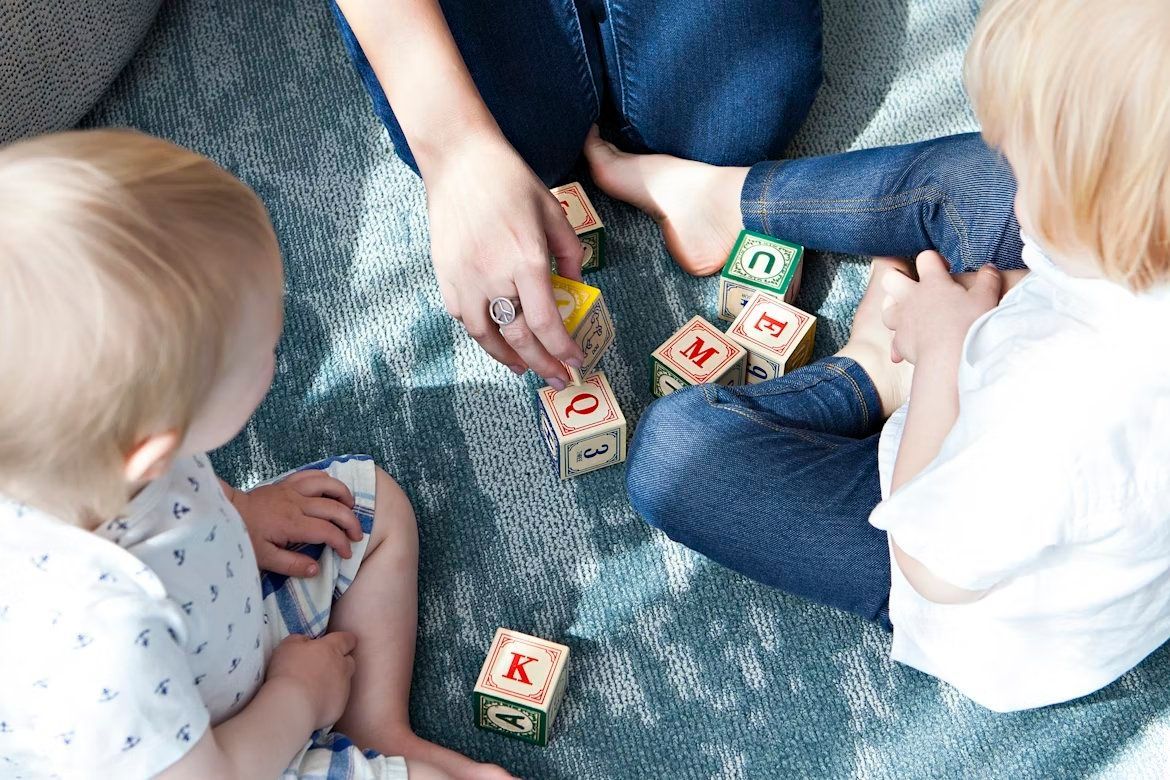
Children playing with wooden letter blocks on a blue rug with an adult nearby

When something shifts in your child, it’s hard to know what’s normal and what might need more care. As many as 1 in 5 children and youth in Ontario will experience some form of mental health problem, yet far too many families still feel lost at that first step.

Counselling offers a way for children to feel heard and better equipped to handle the world around them by helping them grow with the right tools and relationships in place.

At Oaks and Sands, we’re here to help make that first step into healing possible by offering accessible therapy for Ontario and Alliston. 

How to Begin Children’s Therapy

Begin With a Conversation That Feels Safe

Start with what you notice, by letting your child know you’re paying attention, and that it’s okay to talk about hard things. Remember to keep your language grounded and age-appropriate. For example, you could say that you’ve seen them feeling upset or overwhelmed lately, and that there’s someone whose job it is to help kids feel more at ease inside. Framing counselling as support, not a reaction to poor behaviour, can be very important to shaping how they experience it. The trust you build in this moment matters.

Choose a Therapist Who Understands Children

Children need someone who understands how they express emotions through play or behaviour. Look for a child counsellor trained in child development and modalities like EMDR or play therapy. 

At Oaks and Sands, we work with children as young as five, offering approaches grounded in emotional safety and developmental awareness. The right fit should be someone who makes your child feel comfortable and understood.

Book an Intake Call Without Needing All the Answers

Parents often feel they need to explain everything perfectly, but that’s not quite true. The intake process is a space to share what you’ve seen, whether that’s new behaviours, ongoing challenges, or changes at school. From there, we’ll help clarify next steps. Most counselling programs, including ours, start with a short consultation to answer your questions and learn more about your child’s needs.

Help Your Child Know What to Expect

Therapy can feel uncertain for children who aren’t sure what it means. You can ease that uncertainty with clear, simple explanations. Let them know they will be meeting with someone who helps kids sort through hard feelings, and give them space to ask questions with honest answers. You should make it clear that therapy is a place where they can show up as they are and be met with care.

A Place to Begin Again

At Oaks and Sands Counselling, we offer counselling for children , teens , and families facing emotional and relational challenges. We provide care that centres their emotional world, whether your child is navigating anxiety, trauma, or a rough patch you can’t quite name. Services are available in Alliston or virtually across Ontario. If you’re ready to talk about what’s next, contact us . We’ll meet you where you are.

Hands counting stacks of cash at a table in dim light
By Emily MacIver • March 19, 2026
Is couples counseling covered in Canada? Learn how therapy reimbursement works, what to check in your benefits plan, and options if you're not covered.

Family preparing food together in a bright kitchen around a counter with bowls, vegetables, and a cutting board
By Emily MacIver • March 16, 2026
Learn the benefits of family therapy, from stronger communication to healthier relationships and conflict resolution, and when it may help your family.

Therapist talking with a couple and child in a living room during a family counseling session
By Emily MacIver • March 4, 2026
What is marriage and family therapy? Learn how it works, what sessions look like, why patterns matter more than blame, and when it may be a good fit.
Four people seated in a counseling circle, talking in a bright living room with a floor lamp and side table.
By Emily MacIver • March 4, 2026
What is DBT for borderline personality disorder? Learn why DBT was created for BPD, its 4 core skill areas, and what to expect from treatment over time.
Two people talking in a bright living room, seated across a glass coffee table.
By Emily MacIver • March 3, 2026
How long does an EMDR therapy session last? Learn the standard session length, why some run shorter or longer, and what happens during an appointment.

Two people talking in a bright living room, one seated on a gray sofa and one in a chair with a notebook.
By Emily MacIver • March 3, 2026
CBT is more than "just think differently." Learn how cognitive behavioral therapy changes thought patterns, self-talk and how emotions shape reactions.

Two people sit on a couch, leaning over a small object in their hands by a window at night.
By Emily MacIver • January 21, 2026
How does cognitive behavioral therapy work? Learn how CBT helps you notice patterns, connect thoughts to feelings and practice new responses at your pace.

Man seated on a couch, head in hand, appearing stressed in a dim room
By Emily MacIver • January 21, 2026
Does DBT work? Learn how dialectical behavior therapy builds skills for intense emotions, and how those skills show up in daily life and long-term progress.

Two people talking in a bright counseling office, seated across from each other.
By Emily MacIver • December 22, 2025
Dialectical Behavior Therapy (DBT), was developed for people who experience intense emotions and have difficulty with emotional regulation. It is most often associated with borderline personality disorder, though it is widely used with teens, adults, couples, and families facing emotional reactivity, relationship strain, trauma, and mood-related concerns.

Three people in a bright living room talking with a counselor, one person covering their face in distress.
By Emily MacIver • December 22, 2025
Cognitive behavioral therapy (CBT) and dialectical behavior therapy (DBT) are often mentioned in the same breath, which can make them sound interchangeable. In practice, they are not.